.png)
Understanding Dietary Restrictions and Preferences When Choosing Desserts
Key Takeaways:
Hosts make better dessert choices when they consider dietary restrictions and preferences before deciding what to order.
Ingredients such as eggs, dairy, and alcohol can affect how comfortable guests feel about accepting a slice.
A plant-based dessert can reduce common concerns about animal-based ingredients, but hosts should still check allergens such as nuts, gluten, soy, or sesame.
Clear ingredient choices make birthdays, family gatherings, and small celebrations easier to plan.
Introduction
Choosing desserts for a group often starts with flavour. A host may look for chocolate, fruit, cream, or a cake that photographs well for the occasion. In real gatherings, however, the better question is whether everyone can enjoy it comfortably.
Celebrations in Singapore often bring together guests with different food habits, beliefs, and comfort levels. Some avoid eggs or dairy. Some prefer plant-based sweets. Others want a dessert that feels light after a meal. By understanding dietary restrictions and preferences early, hosts can avoid awkward last-minute changes and choose something more inclusive from the start.
A suitable dessert should still look presentable, slice well, and taste satisfying. Plant-based desserts can support this balance by removing common animal-based ingredients while keeping the softness, flavour, and texture people expect.
What Common Dietary Restrictions Affect Dessert Choices?
Eggs, Dairy, and Alcohol Can Affect Suitability
Many traditional desserts rely on eggs, butter, milk, cream, or cheese for structure and richness. However, these ingredients do not suit guests who follow a vegan diet, avoid dairy, or choose egg-free food for personal, religious, or family reasons.
For hosts, this often means looking for desserts that avoid one or more common animal-based ingredients from the start. For instance, when eggs are a concern, an eggless cake can be a practical option when planning birthdays, children’s parties, or family gatherings, especially when the host does not know every guest’s food preferences in detail. It allows more people to share the same dessert without making the cake feel like a separate “special” option.
Dairy also affects many dessert decisions. Guests who avoid milk, butter, cream, or cheese may skip conventional cakes and pastries even if they enjoy sweets. A dairy-free cake option in Singapore gives hosts a clearer choice when they want a dessert that avoids common dairy-based ingredients.
Alcohol can also affect suitability. It may appear in flavourings, soaked cake layers, fillings, or certain dessert sauces. Hosts should check this separately, especially for children’s parties, family celebrations, or gatherings where guests may avoid alcohol for personal or religious reasons.
Group Settings Make Ingredient Choices More Sensitive
In a small household, food preferences may be easy to remember. At a birthday party, office treat, or extended-family meal, the guest list becomes more varied. One guest may avoid dairy. Another may prefer vegan food. A parent may need to check whether a dessert is suitable for their child.
These small details affect how comfortably people eat. A guest may decline dessert quietly if they feel unsure about the ingredients. Someone else may ask several questions before accepting a slice. When hosts account for dietary restrictions and preferences before ordering, they reduce the need for separate alternatives.
This matters even more when dessert is the shared centrepiece. A cake should not divide the table into those who can eat it and those who cannot.
How Do Preferences Go Beyond Strict Restrictions?
Lighter Desserts Often Suit More Guests
Not every dessert choice comes from a strict dietary rule. Some guests simply prefer sweets that do not feel too heavy, oily, or rich. This is common after a full meal, especially during family lunches, festive gatherings, or children’s celebrations.
A dessert with balanced sweetness, soft texture, and clean flavour usually works better for mixed groups than something overly dense. Children may enjoy it more easily, while adults may appreciate a cake that feels satisfying without being overwhelming.
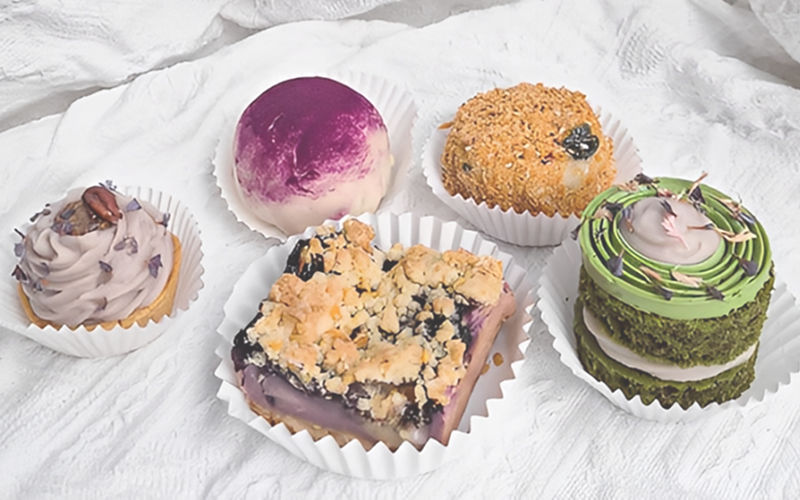
Lilac Oak’s dessert range supports this kind of hosting need by giving hosts plant-based choices across familiar formats. A whole cake can suit birthdays and cake-cutting moments, while tarts, brownies, cookies, and dessert boxes can work better for sharing tables, office treats, or smaller gatherings where guests may prefer different portions. This makes it easier for hosts to match the dessert format to the occasion instead of treating plant-based desserts as a narrow backup option.
Mindful Ingredients Appeal to Modern Dessert Lovers
Some guests do not follow a strict vegan or vegetarian diet, but they still pay attention to what goes into their food. They may prefer ingredient-conscious choices, animal-free desserts, or sweets that feel more aligned with mindful eating.
For hosts, choosing a cafe with vegan options makes dessert planning easier because the menu already gives clearer plant-based choices. This helps when they need cakes, tarts, brownies, cookies, or takeaway sweets for a gathering without checking every conventional dessert for eggs, dairy, or alcohol.
Clear ingredient labelling and menu details also help hosts answer guest questions more confidently. Instead of guessing whether a cake contains butter, cream, eggs, or alcohol, they can choose from a dessert range that already centres plant-based options and then check any specific allergens or ingredient concerns separately.
Why Is One Inclusive Dessert Often Better Than Several Alternatives?
One Thoughtful Choice Keeps Hosting Simple
Offering many dessert options may seem helpful, but it can make hosting more stressful. The host needs to track which dessert suits which guest, use separate utensils, manage storage, and avoid serving mistakes.
A plant-based dessert can address common concerns about eggs, dairy, alcohol, and other animal-derived ingredients, making the occasion easier to manage for many mixed groups. However, hosts should still check for specific allergens, such as nuts, gluten, soy, sesame, and other ingredients that may affect individual guests.
This approach works especially well for home celebrations, office birthdays, and casual gatherings where the host wants a dessert that arrives ready to serve, is easy to portion neatly, and suits a broader range of guests.
Shared Desserts Make Serving More Practical
Dessert often becomes the point where people gather around the cake, take photos, and serve slices. When more guests can share the same dessert, the host spends less time separating portions or explaining which option belongs to whom.
A separate dessert may still be necessary for allergies or medical restrictions. However, when hosts can choose an option that already accounts for common dietary restrictions and preferences, they make serving simpler and reduce the chance of leaving someone out.
This does not mean one dessert will suit every need. It means hosts can start with a more inclusive base and then check for any specific requirements before placing an order.
How Do Ingredient-Conscious Desserts Support Different Guests?
Plant-Based Desserts Can Work Across Many Occasions
Desserts made without eggs, dairy, alcohol, or animal-derived ingredients can suit many types of gatherings. They may work for vegan guests, vegetarian-friendly celebrations, children’s parties, and family meals where hosts want fewer ingredients to worry about.
In Singapore’s diverse social settings, people with different beliefs and eating habits often gather at the same table. This makes it easier for hosts to match the dessert format to the occasion instead of treating plant-based desserts as a narrow backup option. Naturally, a good, inclusive dessert still needs to perform like a proper dessert. It should hold its shape, offer a pleasant crumb, carry enough flavour, and look suitable for the occasion.
Families Appreciate Clearer Dessert Choices
Family celebrations often involve children, parents, grandparents, and relatives with different comfort levels around food. A dessert with clear, animal-free ingredients can help more people decide quickly and comfortably.
Parents may feel more confident when they know the dessert does not contain alcohol, dairy, or eggs. Vegan guests do not need to ask several questions before eating, while non-vegan guests can still enjoy a cake, tart, brownie, or cookie that tastes familiar and satisfying.
For mixed family groups, hosts should also think about serving style. A whole cake can feel more ceremonial for birthdays, anniversaries, or cake-cutting moments. Dessert boxes, brownies, cookies, and tarts can be easier for casual sharing, especially when guests arrive at different times or prefer smaller portions.
What Makes a Dessert Practical for Real-Life Gatherings?
Ready-to-Serve Desserts Save Time and Effort
Hosts often manage many details before a gathering begins. They prepare food, arrange seating, set up decorations, coordinate timing, and welcome guests. A dessert that arrives ready to serve removes one more task from the day.
Cakes, brownies, tarts, cookies, and dessert boxes that portion neatly can make serving smoother. They reduce mess, help the table look organised, and work well in homes, small venues, and casual celebrations.
Convenience only helps when the dessert still tastes good. The best choice should feel practical without looking rushed or feeling like an afterthought.
Consistent Quality Helps Hosts Feel Confident
When ordering dessert for guests, hosts want reliability. The cake should hold its shape, slice neatly, look presentable, and taste balanced from the first serving to the last.
Consistency also helps guests trust what they are eating. When the texture feels soft and the flavour feels complete, people focus on the dessert rather than wondering whether a plant-based cake will taste different from what they expect.
A carefully made vegan cake, tart, brownie, cookie, or dessert box should not feel like a compromise. It should give hosts something that looks suitable for the occasion, holds up well during serving, and is easy to portion for guests.
How Can Hosts Choose Desserts More Confidently?
Suitability and Enjoyment Should Work Together
A dessert should suit the guest list, but it should also taste good. Suitability alone is not enough if the cake feels dry, plain, or forgettable. After all, a beautiful cake will also fall short if several guests cannot eat it comfortably.
Hosts can use a simple planning flow. First, identify the non-negotiables. This includes guests who avoid eggs, dairy, alcohol, or animal-derived ingredients. Next, check allergens separately, because plant-based does not automatically mean nut-free, gluten-free, soy-free, or sesame-free. After that, think about the guest profile. Children, older relatives, office teams, and close friends may all have different preferences for sweetness, texture, and portion size.
Once these points are clear, hosts can choose the format. A whole cake works well when the dessert needs to feel like the centrepiece. Brownies, cookies, tarts, and dessert boxes can be more practical when guests are mingling, sharing casually, or taking smaller portions across the event.
These steps help hosts naturally consider dietary restrictions and preferences without turning dessert planning into a complicated process.
Thoughtfully Prepared Desserts Make Hosting Easier
Inclusive dessert planning becomes easier when the dessert already starts with thoughtful ingredients. Plant-based cakes, tarts, brownies, cookies, and dessert boxes can support different needs while still offering familiar flavours, neat presentation, and ready-to-serve convenience.
Lilac Oak meets this hosting need by offering plant-based desserts in formats that suit different group sizes and occasions. Hosts can choose whole cakes for celebrations or smaller bakes and dessert boxes for sharing without having to prepare several separate desserts. This gives hosts more flexibility when they need something suitable, presentable, and easy to serve.
For sweet lovers who care about mindful choices, this balance matters. It allows dessert to remain enjoyable while still respecting ingredient concerns and real hosting needs.
Conclusion
Choosing dessert becomes easier when hosts think beyond flavour and consider who will be sharing it. Ingredients, texture, sweetness, serving convenience, and guest comfort all shape the final experience. By understanding dietary restrictions and preferences, hosts can choose desserts that feel inclusive without making the celebration harder to plan.
Explore plant-based desserts from Lilac Oak for your next gathering, so every slice is easier to serve, share, and enjoy.


Comments